Muscle Contraction as Medicine— A Foundational Theory for Vibration Therapy
Skeletal muscle is a major body system involved in musculoskeletal activities, neuromuscular function, mobility maintenance, circulation, tissue fluid movement, metabolic regulation, and endocrine signaling.
Skeletal muscle contraction, the mechanism behind body movement, is a fundamental physiological activity essential for maintaining normal body function by activating multiple systems, including the musculoskeletal system, neuromuscular system, and peripheral circulation system.
Vibration intervention can be utilized to induce rapidly repeated skeletal muscle contraction. Such a unique pattern of muscle activity may enhance circulation, tissue fluid movement, neuromuscular activation, and other physiological processes more effectively than ordinary daily movement.
The scientific rationale and logic behind this increased effectiveness and its potential applications form a foundational theory for vibration therapy.
Index of the content below
- A Regulatory System
- Skeletal Muscle Pump
- Skeletal Muscle Stretch Reflex
- Vibration Intervention
- Endocrine Signaling
- Stability and Mobility
- Therapeutic Applications
- Summary
Skeletal Muscle Is a Regulatory System
Skeletal muscle continuously interacts with the nervous system, vascular system, connective tissues, bones, joints, and endocrine signaling pathways. Through repeated contraction and relaxation, skeletal muscle produces force, consumes energy, assists fluid movement, responds to neurological input, and adapts to mechanical stimulation.
This makes skeletal muscle more than a passive movement structure. It functions as an active regulatory system influencing multiple physiological processes throughout the body.
Skeletal muscle activities involve:
- Mechanical loading on muscles, tendons, and bones
- Neuromuscular activation and responsiveness
- Joint stabilization and posture control
- Balance and mobility maintenance
- Body fluid movement — skeletal muscle pump
- Microcirculation and nutrient transport
- Metabolic regulation and glucose utilization
- Endocrine signaling and inflammatory regulation
When skeletal muscle activity is reduced, the body may gradually lose not only strength and mobility, but also circulation efficiency, neuromuscular responsiveness, and metabolic activity. From this perspective, maintaining skeletal muscle activity is important for maintaining overall physiological function.
Skeletal Muscle Pump and Tissue Fluid Movement
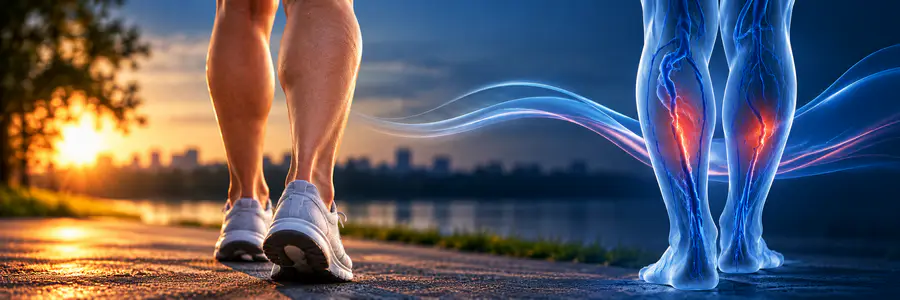
The skeletal muscle pump refers to the pumping effect produced by repeated skeletal muscle contraction and relaxation. During contraction, muscles compress nearby veins and lymphatic vessels and help propel blood and tissue fluid forward. During relaxation, the vessels refill. Repeated contraction-relaxation cycles therefore create a natural fluid pumping mechanism throughout the body.
The skeletal muscle pump is especially important in the lower extremities, where blood and tissue fluid must return upward against gravity. The calf muscles are often referred to as the second heart because repeated calf contractions strongly assist venous return from the legs and feet.
Repeated skeletal muscle contraction also creates rhythmic pressure changes inside tissues. These pressure changes may assist microcirculation, tissue fluid exchange, nutrient transport, oxygen delivery, and metabolic waste removal.
Reduced muscular activity may reduce skeletal muscle pump activity and contribute to fluid stagnation, reduced circulation efficiency, stiffness, and declining mobility over time.
Skeletal Muscle Stretch Reflex and Neuromuscular Activation
The skeletal muscle stretch reflex is a natural neuromuscular response in which skeletal muscle instinctively contracts when suddenly stretched. This reflex helps the body maintain posture, balance, joint stability, and movement coordination without conscious control.
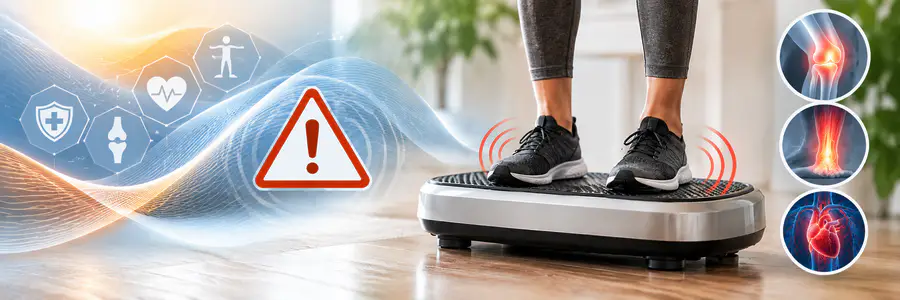
During vibration intervention, repeated mechanical acceleration and deceleration continuously disturb body position and repeatedly stretch and relax skeletal muscles. In response, the muscles contract repeatedly to resist the stretch and stabilize the body.
This skeletal muscle stretch reflex provides the physiological mechanism through which vibration intervention can induce rapidly repeated skeletal muscle contraction.
Without skeletal muscle response, vibration would only be external shaking. Through stretch reflex and posture-control mechanisms, vibration becomes a method for repeatedly activating the neuromuscular system and skeletal muscles.
Vibration Intervention & Rapidly Repeated Muscle Contraction
Ordinary daily movement usually produces relatively intermittent skeletal muscle activity. Modern sedentary lifestyles may further reduce the amount and intensity of muscular activity experienced throughout the day.
Vibration intervention introduces a different pattern of muscle activity by inducing rapidly repeated skeletal muscle contraction through continuous mechanical stimulation.
The important concept is not that vibration creates entirely new physiological mechanisms. The body already depends on skeletal muscle contraction to support circulation, tissue fluid movement, neuromuscular function, posture control, and mobility maintenance.
The key difference is that vibration may increase the effectiveness of these existing physiological processes by increasing the frequency and consistency of skeletal muscle contraction.
Metabolic Regulation and Endocrine Signaling
Skeletal muscle is also an important metabolic and endocrine organ system.
Contracting muscles consume energy, regulate glucose utilization, and release signaling molecules that influence multiple physiological systems. Modern research increasingly recognizes skeletal muscle as an active endocrine signaling system rather than merely a movement structure.
Physical inactivity may reduce metabolic activity and endocrine signaling throughout the body. Increased skeletal muscle activity may therefore support broader physiological responsiveness and metabolic regulation.
Rapidly repeated skeletal muscle contraction induced by vibration intervention may increase muscular activity beyond that typically experienced during sedentary daily living.
Musculoskeletal Stability and Mobility Maintenance
Skeletal muscles stabilize joints, guide movement, absorb force, and support posture. Healthy mobility therefore depends heavily on healthy muscular activity.
Reduced muscular activity may gradually contribute to muscular weakness, reduced balance control, stiffness, physical deconditioning, and declining mobility.
Vibration intervention combines repeated mechanical stimulation with repeated muscle contraction. Depending on posture and exercise method, this may increase lower-body muscular engagement and neuromuscular activity.
The physiological effects of vibration therapy therefore depend not only on vibration intensity, but also on posture, movement direction, exercise method, and overall biomechanical design.
Potential Applications of Vibration Therapy
If rapidly repeated skeletal muscle contraction can increase the effectiveness of circulation support, tissue fluid movement, neuromuscular activation, and muscular engagement, vibration therapy may have broad potential applications.
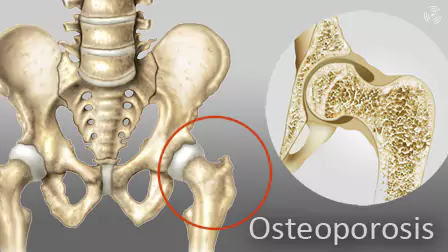
- Bone loss and osteoporosis
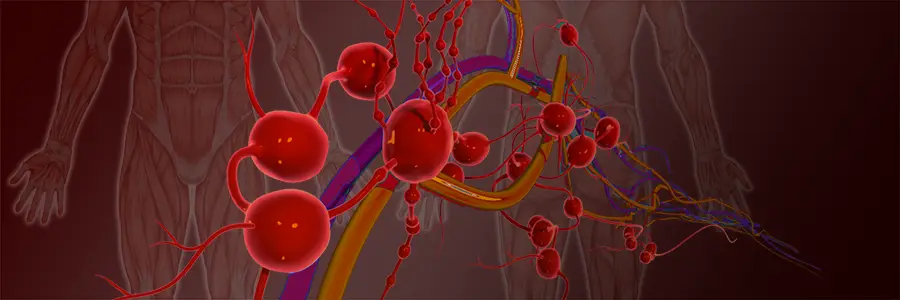
- Blood circulation and microcirculation disorders
- Lymphedema and tissue fluid stagnation
- Motor skills, balance, and mobility decline
- Muscle atrophy and physical deconditioning
- Metabolic disorders and sedentary lifestyles
- Lower back pain and posture-related discomfort
- Knee joint instability and musculoskeletal weakness
- Tendon injury and Achilles tendon problems
- Nerve pain, sciatica, and peripheral neuropathy
- Restless legs syndrome and nighttime leg discomfort
- Fibromyalgia and chronic muscular discomfort
- Exercise assistance for aging adults
- Exercise support for individuals with limited mobility
Different vibration systems may produce substantially different physiological and biomechanical effects depending on vibration frequency, amplitude, movement direction, and overall system design.
Summary
Skeletal muscle contraction is not merely the mechanism behind body movement. It is a fundamental physiological activity involved in circulation, tissue fluid movement, neuromuscular function, metabolic regulation, endocrine signaling, musculoskeletal stability, and mobility maintenance.
The skeletal muscle pump explains how repeated skeletal muscle contraction assists venous return, lymphatic flow, microcirculation, and tissue fluid movement throughout the body. The skeletal muscle stretch reflex explains how vibration intervention can induce rapidly repeated skeletal muscle contraction through repeated mechanical stretch and neuromuscular response.
Vibration intervention utilizes these natural physiological mechanisms to increase the effectiveness of skeletal muscle activity beyond that typically produced during ordinary daily movement.
The foundational theory of vibration therapy is therefore straightforward: use controlled vibration to induce rapidly repeated skeletal muscle contraction, and use this increased muscular activity to support the body systems that depend on skeletal muscle contraction for normal physiological function.